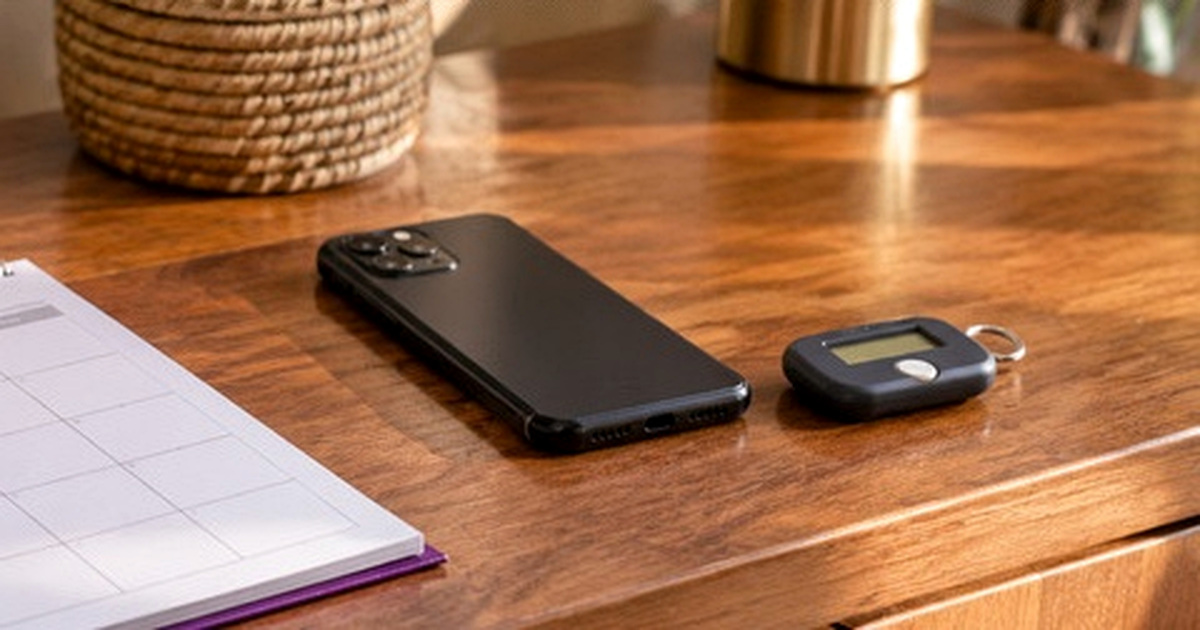
SARS confirmed on 16 November 2026 that two-factor authentication is now mandatory on tax practitioner and organisation eFiling profiles. If you file through an accountant, or hold a profile for a company or a trust, the extra verification step you have started seeing is this change rather than a glitch.
Most people will treat it as a mild irritation. It is worth a few minutes of attention instead, because of where the risk sits if a profile is ever misused.
What SARS has done, and to which profiles
The requirement applies to tax practitioner and organisation profiles. SARS’s announcement does not extend it to individual taxpayer profiles, so if you file your own return personally, nothing in this particular notice is directed at you. SARS gives its reasons plainly: protecting taxpayer information and reducing the risk of fraud, cybercrime and unauthorised access.
What SARS asks of users is mostly housekeeping. Keep your security contact details current. Make sure the registered email address and cell phone number are ones you can actually reach, because that is where the verification code goes. Confirm that each user is correctly linked to the right practitioner or organisation portfolio. Then complete the authentication step when you log in.
That list looks trivial. In practice it is where the problem usually lies, because the email address and cell phone number attached to a company or trust profile are frequently those of someone who has moved on.
Why this is more than an inconvenience
The reason to take the housekeeping seriously is that if a return is submitted in your name, the law starts from the position that you submitted it. Section 250(2) of the Tax Administration Act treats a return made by or on behalf of a taxpayer as duly made unless that person proves otherwise.
The Tax Court applied that in August 2026, in a matter where an entity disputed substantial VAT claims filed through its profile and argued the profile had been compromised. The appeal was dismissed with costs. The court was not persuaded by a director’s denial on its own, and indicated that where the integrity of a computer system is genuinely in dispute, that ordinarily calls for proper technical evidence.
The practical lesson is uncomfortable but useful. Being a victim of profile misuse is not, by itself, an answer to an assessment. You have to be able to show it. Two-factor authentication is one of the few controls that both reduces the chance of misuse and leaves a record that something was authenticated.
What this means for South Africans
For most of our clients, the exposure is not an elaborate fraud. It is an old company or a family trust with an eFiling profile attached to a mobile number that was cancelled years ago, and a former bookkeeper still linked as a user. That profile now cannot complete a login, which is an administrative problem in January when a return is due. More importantly, it is a profile nobody is watching.
The change is also a reminder that SARS will never ask for your password, a one-time PIN, your banking PIN or your eFiling login details. A request for any of those is a scam, regardless of how the message is branded or who it claims to be from.
Practical considerations
- Log in to each profile you are responsible for — personal, company, trust — and check that the email address and cell phone number on record are ones you use today.
- Review the user list on every organisation profile and remove former employees, former accountants and any practitioner no longer acting for you.
- Do this before a filing deadline rather than on it. A dormant trust or company profile with stale contact details is easiest to fix in a quiet week.
- Make sure at least two people in a business can complete the authentication, so a single person’s leave does not stop a submission.
- If you suspect a profile has been misused, report it to SARS immediately, record in writing what you did and when, and preserve the devices involved rather than replacing them.
Where a return has already been filed that you did not authorise, the position should be dealt with by a registered tax practitioner, and promptly, because the burden of showing what happened rests with the taxpayer.
If you would like us to review the eFiling profiles behind your personal, business and trust tax affairs, and the access that sits on them, please speak to the Navigate Wealth team.